Leak detection for listed buildings

When water threatens a building you treasure, the investigation is planned around its historic fabric, access and next steps from the start.

Discuss your building0333 567 2631

Office: Mon–Fri, 7:30am–6:30pm
Weekends closed

How the investigation works
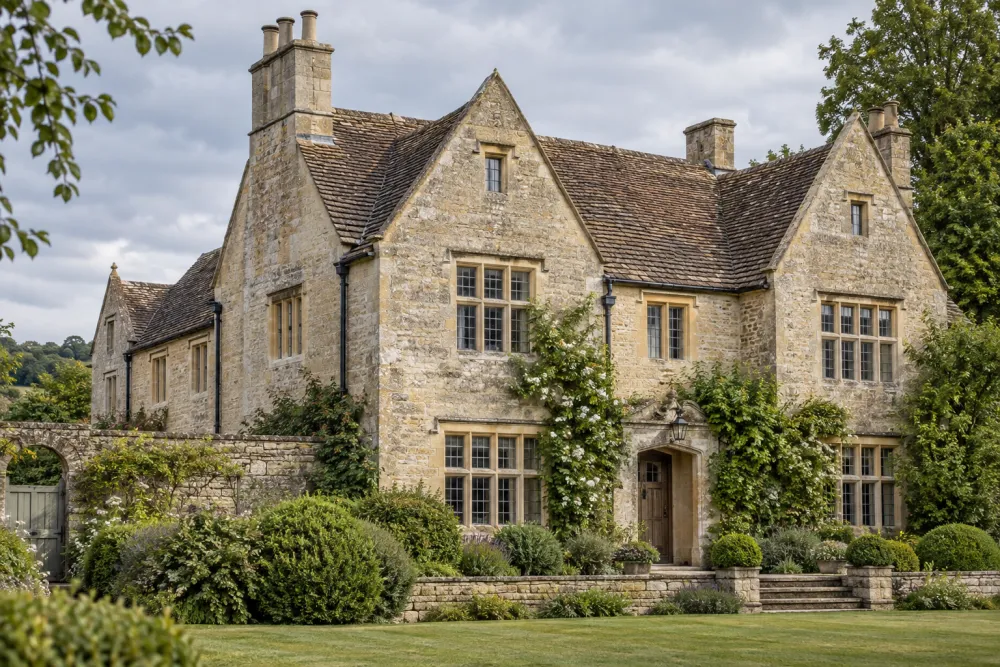
Illustrative view of a traditional English stone house with steep roofs and mullioned windows

Signs of a hidden leak
in a listed building

Water behind a wall
or beneath a floor

Concealed supply pipework can be difficult to trace, particularly where earlier alterations have changed its route. Discuss a suspected pipe leak and any original finishes that need care.

Heating pressure
that keeps dropping

A loss of pressure needs investigation; it does not establish where a leak is. ADI can discuss testing suitable heating systems, including pipework hidden from view.

Damp after rain,
or an uncertain source

Roof or building ingress is a different enquiry from a plumbing leak. Moisture may also relate to condensation or the fabric itself. Explain the pattern so the office can discuss a suitable scope.

Leak detection that considers
the historic fabric

An original floor, a decorated ceiling, a wall altered long ago. What surrounds the water matters when deciding how to look for its source.

The aim is to narrow down a suspected leak and minimise unnecessary disturbance. Some investigations still need further access or opening-up. The proposed approach, restrictions and permissions should be discussed before that happens.

Share any plans, known service routes and advice already received. Where the wider condition of the building needs assessment, involve a suitably competent building or conservation professional.

Read about access and consent
An ADI engineer examining a painted brick wall with a thermal imaging camera
An ADI investigation photograph. The building’s listed status is not established.

About ADI
Leak Detection

Listed Building Leak Detection, a specialist service from ADI Leak Detection.

ADI’s office discusses the problem with you before a visit is booked. The attending engineer then carries out the agreed investigation and prepares the written findings.

This service brings that leak-investigation work to enquiries about listed homes and historic buildings. The approach needs to suit the property and its access constraints; your conservation adviser and planning authority retain their own roles.

ADI Leak Detection is operated by ADI Leak Solutions Ltd. Speak to the office about suitability, the proposed scope and who needs to be involved.

Read selected ADI customer reviews on Trustpilot.

From the first call to the findings

Listed building leak detection case study

A recorded finding and the step that came next, from an ADI engineer’s report.

A leak traced beneath a solid wall

An ADI investigation that located a leak on the cold mains before any floor was lifted.

At an old town house the engineer’s report describes as believed to be Grade II listed, the water meter kept moving with nothing in use. Tracer gas added to the cold supply was picked up between the living room and dining room, coming from under a solid wall.

Acoustic equipment confirmed the leak in that area, and it could be heard by ear. The wooden floor would need to come up, so the customer was advised to speak to their insurer and clarify what could be done before a repair.

Read how the leak was found
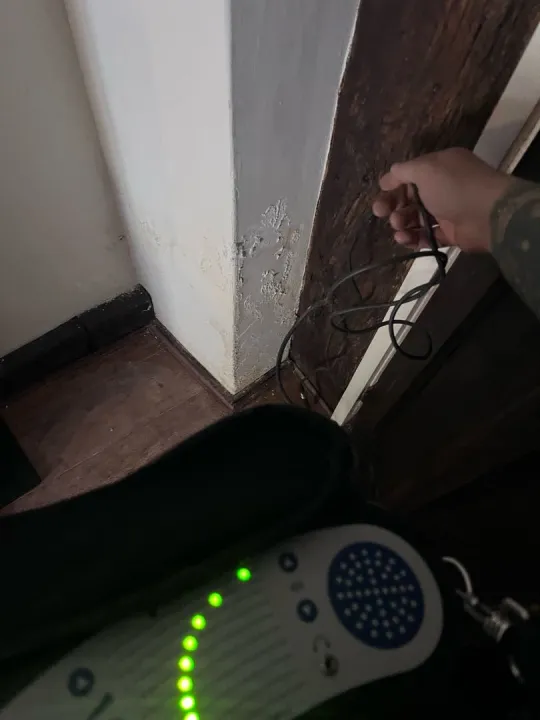
Acoustic listening equipment on the floor beside a damp wall corner and a dark timber post

ADI Leak Detection reviews

Selected Trustpilot reviews of ADI’s wider service.

Read all reviews on Trustpilot

Listed building leak detection FAQs

Will you have to lift a floor or remove a finish?

Not every investigation needs opening-up, but it cannot be ruled out in advance. Tell ADI about historic finishes and restricted areas. Discuss any additional access and the relevant permissions before work affecting the fabric proceeds.

Does a damp patch mean there is a pipe leak?

No. A visible patch is a symptom. Plumbing, rainwater ingress, condensation and moisture within the building fabric can produce overlapping signs. The history and pattern help determine what kind of investigation is appropriate.

Can you tell me whether consent is needed?

The relevant planning authority should advise on consent for the proposed work. ADI can discuss what its investigation would involve. Owner agreement to access a room does not replace statutory permission to alter protected fabric. See the country-specific guidance.

Do I need to know what is causing the problem before I call?

No. Describe what you have noticed, when it started and whether it is spreading, recurring or drying out. Photographs taken over time and any previous reports help explain the problem to the office.

What should I tell the office when I call?

Give the postcode, where the water or damp is showing and that the building is listed. Mention any access restrictions, known alterations and whether an architect, surveyor, managing agent or conservation officer is already involved.

Can a moisture meter or thermal camera find the leak on its own?

No. Moisture readings in masonry can be affected by salts and changes of material, and a thermal image shows surface temperatures rather than what is inside a wall. Readings are interpreted alongside suitable tests and the building’s history. Read about the methods and their limits.

What access will the engineer need?

Access inside the property is needed, and shared or adjoining premises may also need to be reachable. Relevant rooms, meters and working isolation points should be accessible, the engineer needs to unload immediately outside, and ADI’s terms require lift access for properties more than two storeys high. Check the access arrangements.

Will the leak be exposed and repaired at the same visit?

Do not assume so. Leak detection does not include exposing the leak, and a repair is discussed as a separate step. Work affecting historic fabric may need advice or permission before it can go ahead.

What will I receive after the investigation?

The attending engineer prepares written findings. They can inform the next step, but they are not listed building consent, a heritage impact assessment or a decision about liability. Read what the findings can tell you.

How soon can an engineer attend?

That depends on the postcode, the building and the appointments available. The office hours on this site are not a promise of engineer attendance, so ask about arrangements for your visit when you call.

Do you cover my area?

ADI provides leak detection across England, Scotland and Wales. Call with the full postcode so the office can check suitability, access and appointment availability.

Leak detection across England,
Scotland and Wales

ADI provides leak detection across England, Scotland and Wales. Give the office your postcode and a short description of the property so it can check suitability, access and appointment availability.

Consent guidance differs between the three countries. This specialist website represents the same ADI service, with no separate local branches implied.

County pages

Call about a leak
in your listed building

You don’t need to diagnose it before calling.

Discuss your building0333 567 2631

Office: Mon–Fri, 7:30am–6:30pm
Weekends closed

Useful to have to hand

  • The postcode and where the water or damp is showing.
  • When it appeared, and any connection with rain, heating or water use.
  • Listing information, plans and earlier investigations, if available.
  • Original finishes, access restrictions and the advisers already involved.

Before booking, read about access, lift and parking arrangements and how to request ADI’s booking terms.

Correspondence office
ADI Leak Detection
Suite 407
Access Business Center
Handy Cross Roundabout
High Wycombe HP11 1UP

These are office opening hours, not a promise of engineer attendance. Ask about arrangements for your proposed visit.